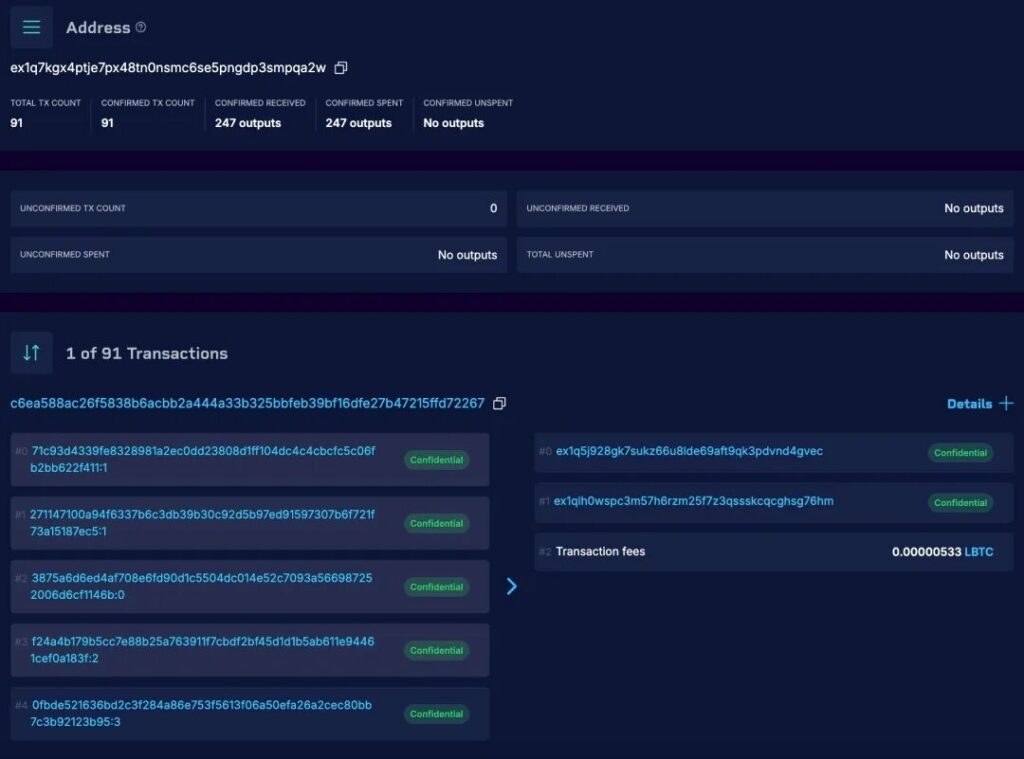
For anyone relying on L-BTC to remain backed by BTC, the critical question is whether a Liquid output can pass verification without a corresponding deposit. In an analysis published on September 11, 2026, SlowMist reported that an attacker exploited a rangeproof verification-cache flaw on September 6 to create roughly 3,998.5 L-BTC without a peg-in, then exchanged the assets for BTC through Liquid’s federated peg-out process.
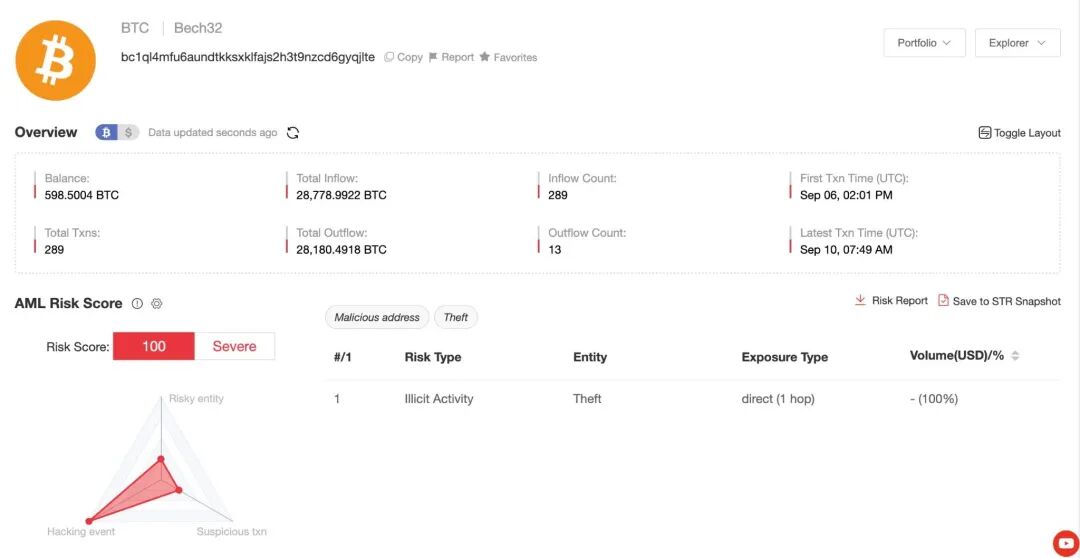
SlowMist’s account says 3,400 BTC was returned to the federation’s peg wallet the following day. Approximately 598.5 BTC—about 15% of the peg-out amount—remained under the attacker’s control at the time of its report. Those figures distinguish the amount initially paid out from the amount not returned; they do not establish a final loss.
How verification was bypassed
Liquid uses rangeproofs to verify confidential transaction amounts. Elements also cached successful rangeproof checks so nodes would not have to repeat expensive verification. According to SlowMist’s code and transaction analysis, the cache key was made by concatenating fields without unambiguous boundaries between them.

The attacker placed data in two valid setup transactions confirmed in Liquid block 4,050,335. A third transaction, confirmed in block 4,050,336, arranged different proof, commitment, asset and script fields so their concatenated bytes matched a previously accepted cache key. On a cache hit, the verification path returned success without running the rangeproof check on that output. SlowMist says this allowed the invalid output to enter the UTXO set; subsequent transactions spent the resulting L-BTC, which was then pegged out to Bitcoin.
SlowMist could not identify from confirmed block data which, if any, unconfirmed transactions were used to refresh nodes’ cache entries between the setup and minting transactions. Its explanation of that intermediate step remains an inference, not an observed list of transactions.
Funds and fix at the reporting date
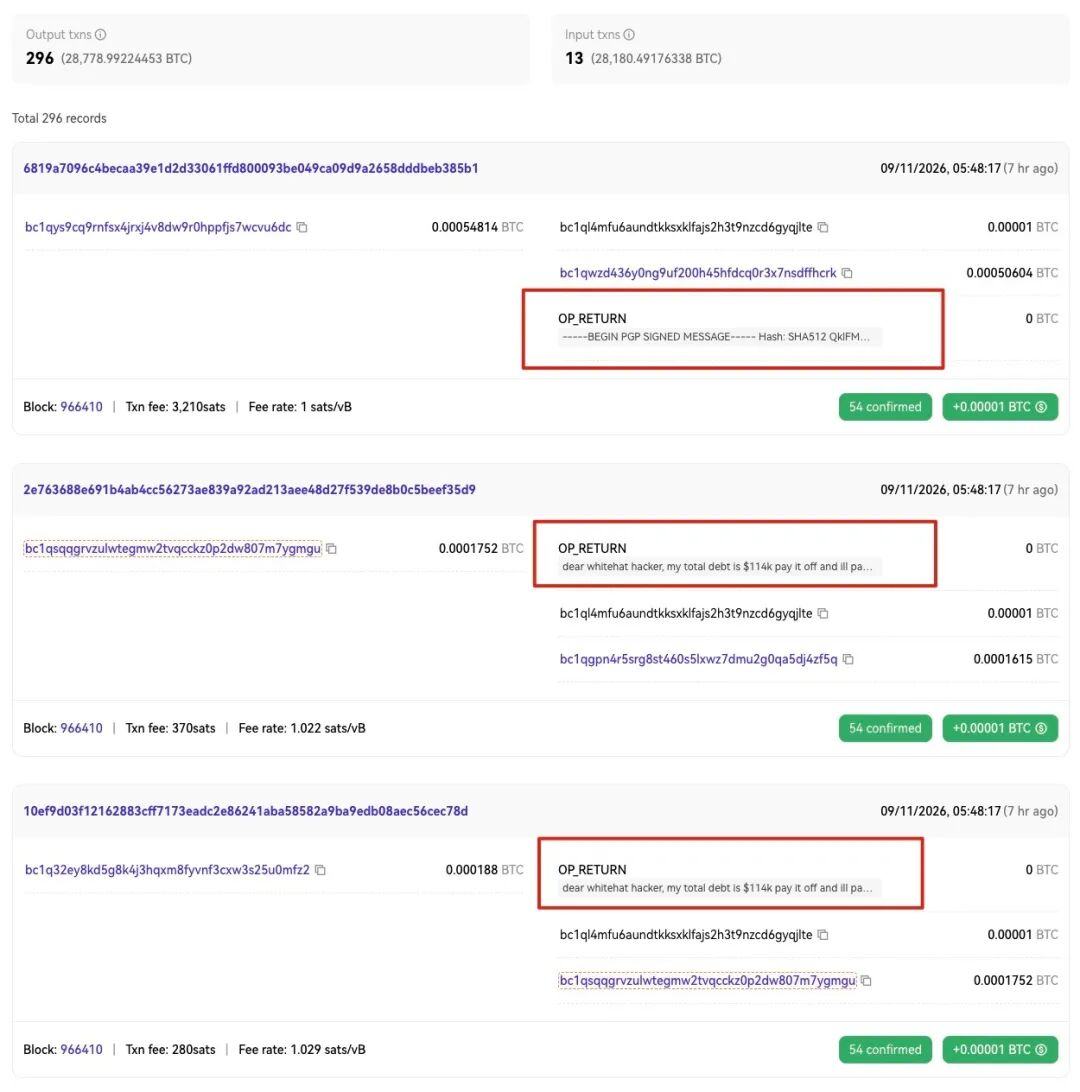
SlowMist traced the roughly 3,998.5 BTC peg-out to a Bitcoin address it analyzed with MistTrack. It reported that the remaining approximately 598.5 BTC was repeatedly sent through transactions involving the attacker-controlled funds between September 8 and 10. OP_RETURN messages demanded a 10% bug bounty from the federation; that demand was the sender’s claim, not an agreed payment. SlowMist reported that the exchange of messages was still visible on-chain as of September 11.
The underlying cache optimization entered Elements in July 2016. An August 3, 2026 change added fields to the key but, SlowMist says, still left their boundaries ambiguous. Elements 23.3.4, released September 8, used length-prefixed serialization for the key and added a -norangeproofcache switch.
The custody lesson is about the backing mechanism, not a new wallet setting: a peg depends on the correctness of the network’s verification rules as well as on control of the BTC held by its federation. Here, according to SlowMist, a cached successful check could stand in for verification of different data.